What to Look for in a Boston top Microblading for Natural-Looking Brows
What to Look for in a Boston top Microblading for Natural-Looking Brows
Blog Article
Certified Microblading: Optimize Your Elegance With Perfection
Professional permanent eyebrow enhancement has emerged as a popular approach for obtaining well-defined eyebrows. This procedure involves the careful application of color to create delicate, natural-looking strokes. Its accuracy enables for a tailored look that complements individual facial features. However, many may wonder about the process, advantages, and potential misunderstandings surrounding this semi-permanent improvement. Understanding these aspects can significantly affect one's choice to undertake this cosmetic treatment. What else should a prospective customer consider?
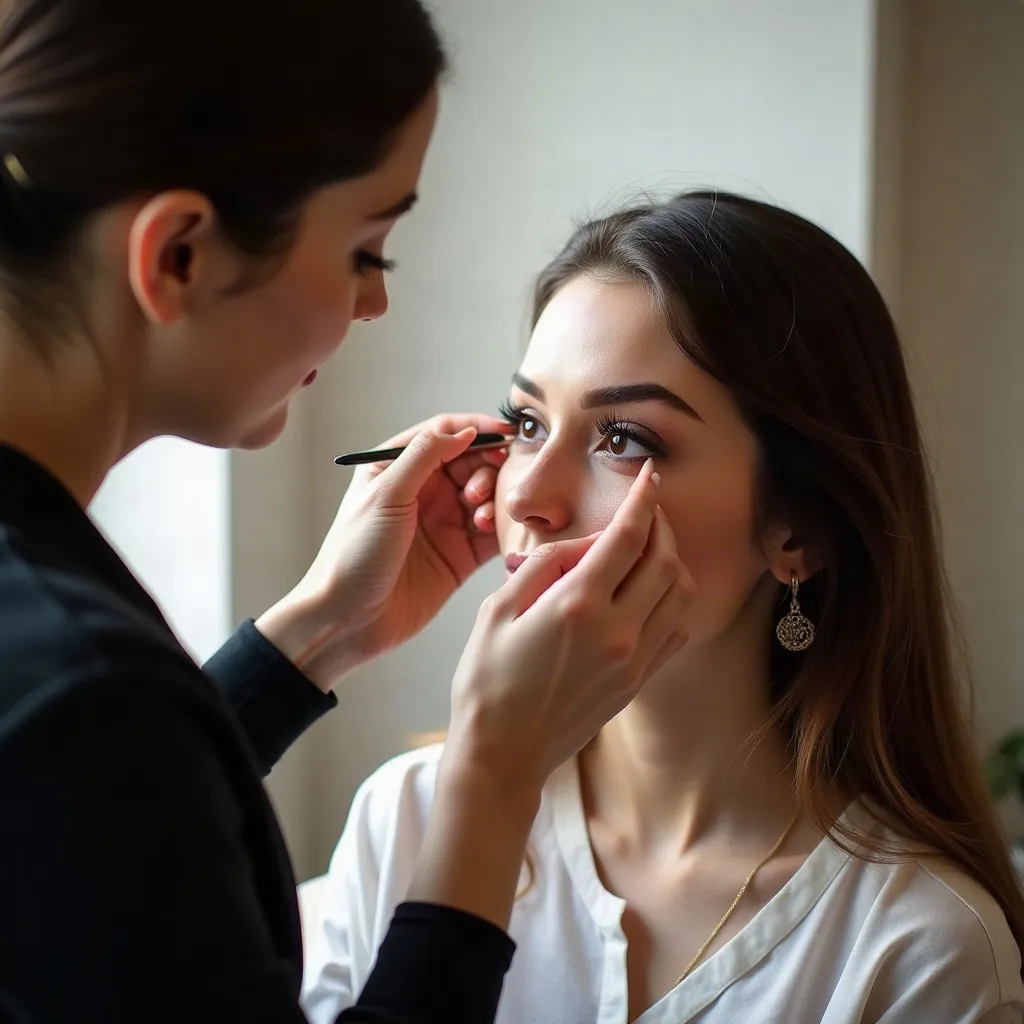
Understanding Professional Microblading: What It Is and How It Works
Microblading, a precision method in the cosmetic industry, involves the semi-permanent enhancement of eyebrows. This approach applies a handheld tool fitted with fine needles to introduce pigment into the skin's upper layers, creating hair-like strokes that mimic natural eyebrow hairs. The procedure begins with a complete consultation, where the technician assesses the client's facial structure and discusses desired outcomes.
Following this, an numbing agent is administered to reduce pain during the procedure. The artist meticulously plans the perfect form, ensuring symmetry and alignment with the customer's features. Once the design is approved, the microblading procedure begins, typically taking about two to three hours to finish. Aftercare is essential, as it requires specific instructions to promote healing and preserve the quality of the outcome. Over time, maintenance sessions may be necessary to revitalize the appearance, ensuring that the brows stay defined and vibrant.
The Perks of Selecting Skilled Microblading
Selecting professional microblading provides numerous benefits, particularly for those seeking a polished and natural look. One considerable advantage is the skill of certified technicians who have an in-depth knowledge of facial symmetry and skin types. This professional perspective ensures that the brows are not only aesthetically pleasing but also customized to improve individual features.
In addition, experienced professionals employ high-quality pigments and tools, reducing the threat of negative effects or inadequate results. They similarly adhere to demanding hygiene protocols, maintaining a safe environment that prevents the likelihood of infection.
Moreover, accomplished microblading treatments typically contains a consultation process, enabling clients to communicate their preferences and expectations competently. This personalized approach strengthens trust and satisfaction, as clients leave with brows that suit their personal taste and elevate their natural appeal. Ultimately, going with expert microblading can accomplish sustained results that appreciably elevate one's aesthetic and poise.
Preparing for Your Eyebrow tattooing Appointment
Preparing for a microblading session requires several important steps to ensure optimal results. First, clients should schedule a consultation with their microblading artist to talk about desired outcomes, brow shape, and color preferences. This initial meeting allows for a comprehensive understanding of individual needs and expectations.
In the time prior to the appointment, it is suggested to eliminate blood-thinning products such as alcohol, caffeine, and certain medications, which can impact healing. Additionally, clients should skip waxing or tinting their brows to guarantee a clean canvas for the artist.
During the day of the session, showing up with clean skin, absent of makeup, is necessary. This allows the artist to assess the natural brow shape with accuracy. Clients should also communicate any allergies or skin sensitivities to ensure the safest and most effective treatment. Good preparation ultimately strengthens the overall microblading experience.
Post-Treatment Recommendations for Keeping Your Microbladed Brows
Aftercare is crucial for preserving the condition of microbladed brows. Clients should prevent water immersion, use soft cleansers, and apply soothing cream as recommended. These steps help assure perfect healing and long-term results of the results.
Avoid Liquid Contact
While microbladed eyebrows can boost one’s appearance, protecting their quality requires careful aftercare, especially regarding water exposure. Water can hinder the recovery, possibly causing the pigment to fade prematurely or leading to infection. For a minimum of two weeks after the procedure, it is vital for individuals to avoid submerging their brows in water, whether through swimming, saunas, or excessive sweating. Showering should be done cautiously; using a shower cap can help protecting the area. Even washing the face requires attention, making sure that water does not directly hit the brow area. By following these guidelines, individuals can maintain the longevity and vibrancy of their microbladed brows.
Apply Soft Cleansers
After confirming brows are shielded against water exposure, the next step in maintaining microbladed brows involves the selection of cleansers. It is crucial to choose gentle, non-abrasive cleansers to avoid aggravating the delicate skin surrounding the brows. Harsh chemicals or exfoliants can interfere with the healing process and lead to fading or uneven results. A mild, fragrance-free cleanser helps in effectively removing impurities without damaging the integrity of the microbladed area. Users should apply the cleanser using a soft cloth, avoiding any scrubbing motions. This mindful technique guarantees that the brows remain clean while supporting ideal healing. Continuing this routine helps preserve the precision and beauty of the microbladed additional article brows over time.
Use Therapeutic Ointment
Using a restorative ointment is crucial for the healing of microbladed brows. This balm acts as a protective barrier, supporting healing and minimizing the risk of infection. Experts typically advise that the ointment be applied softly with clean fingertips, ensuring to apply it evenly without over-saturation. It is important to adhere to the artist's exact instructions on the frequency and amount of application. A thin layer usually suffices, since too much product can cause clogged pores and slow down healing. Clients should avoid touching their brows and not use makeup or other skincare products in the area during healing. Proper care enhances the longevity and look of the microbladed brows, ensuring that clients get their desired appearance.
Refuting Standard Myths Surrounding Microblading
In the field of microblading, several misconceptions persist that can misguide potential clients. Common beliefs suggest that the procedure is uncomfortable, results are lasting, and it is only suitable for those with thin brows. Tackling these falsehoods is crucial for a clearer understanding of what microblading truly entails.
Microblading Proves Painful
Countless potential clients avoid trying microblading, concerned about the pain connected to the procedure. However, this anxiety often arises from misunderstandings. Professional microblading technicians commonly apply a topical anesthetic before commencing the process, significantly reducing discomfort. While certain individuals may feel slight sensitivity, most say the sensation as like light scratching rather than severe pain. The technique requires creating fine, hair-like strokes in the skin, which can be more acceptable than expected. Additionally, the expertise of the artist plays an essential part in ensuring a comfortable experience. Overall, the sense of pain can vary, but many clients discover the results far surpass any temporary discomfort, challenging the myth that microblading is an incredibly painful procedure.
Outcomes Are Long-lasting
A common misconception about microblading is that the results are lasting forever. In reality, microblading involves the application of semi-permanent pigment to the skin, which typically diminishes over time. Factors such as skin type, exposure to sunlight, and aftercare can influence how long the results last. Generally, microblading results can last between one to three years before requiring touch-ups. This semi-permanence allows individuals to adjust their brow shape and color as styles or personal preferences change. Understanding this aspect is essential for potential clients, as it eases concerns about a long-term commitment. By debunking the permanence myth, clients can make informed decisions about their beauty enhancements without the fear of irreversible results.
Only For Delicate Brows
The belief that microblading is only suitable for those with thin brows is a common misunderstanding. In fact, microblading can benefit a range of brow types, from sparse to bushy. This method is created to create natural-looking hair strokes, making it versatile for anyone looking to enhance their brows. Individuals with thicker brows can attain a more defined shape, while those with thinner brows can fill in gaps, creating a fuller appearance. Furthermore, microblading can assist in balance asymmetrical brows, regardless of their initial thickness. Ultimately, the treatment is personalized, allowing professionals to meet each client's individual brow needs, eliminating the myth that it is exclusively for those with thin eyebrows.
Selecting a Licensed Microblading Professional
How can one guarantee a secure and pleasant microblading experience? The choice of a certified microblading artist plays an crucial part. A qualified artist not only has the required skills but also follows health and safety guidelines. To verify competency, clients should verify that the artist has completed thorough instruction and received certification from a trusted institution.
In addition, inspecting the artist's work collection is paramount; this presents their previous work and personal style. Reviews and client testimonials from earlier customers can deliver insight into the artist's professionalism and overall satisfaction.
Additionally, a appointment is suggested, enabling prospective clients to inquire and evaluate the artist's knowledge and approach. Communication is essential; a skilled artist will hear out client desires while providing expert direction. Ultimately, investing time in selecting a certified microblading artist can result in an enhanced and satisfying beauty experience.
Frequently Asked Queries
How Much Time Should You Plan for the Microblading Process?
Microblading typically takes about two to three hours overall. This duration comprises initial assessment, brow formation, and the actual microblading procedure, delivering a detailed and personalized approach to achieve the desired results.
Is Microblading Appropriate for Every Skin Types?
Microblading proves unsuitable for certain skin conditions. Oily skin tends to encounter accelerated fading, while irritable or troubled complexions can create complications. A consultation with a professional is indispensable to establish personal eligibility.
Is it Possible to Have Brow tattooing Done When Pregnant?
Microblading is generally not advised during pregnancy as a result of hormonal changes and pronounced skin tenderness. Furthermore, potential risks from topical anesthetics and bacterial infection may pose safety concerns for both the pregnant individual and the unborn baby.
Which Things Should Be Prevented Leading up to My Microblading Appointment?
In advance of a microblading appointment, one should stay away from blood thinners, alcohol, caffeine, and certain medications. It's also suggested to refrain from excessive sun exposure and to make certain skin is clean and well-moisturized for ideal results.
What Frequency Is Recommended for Touch-Ups?
Touch-ups are commonly suggested every 6 to 12 months, based on skin type and routine. Consistent maintenance helps sustain the look and durability of microbladed brows, confirming they remain fresh and crisp over time.
Report this page